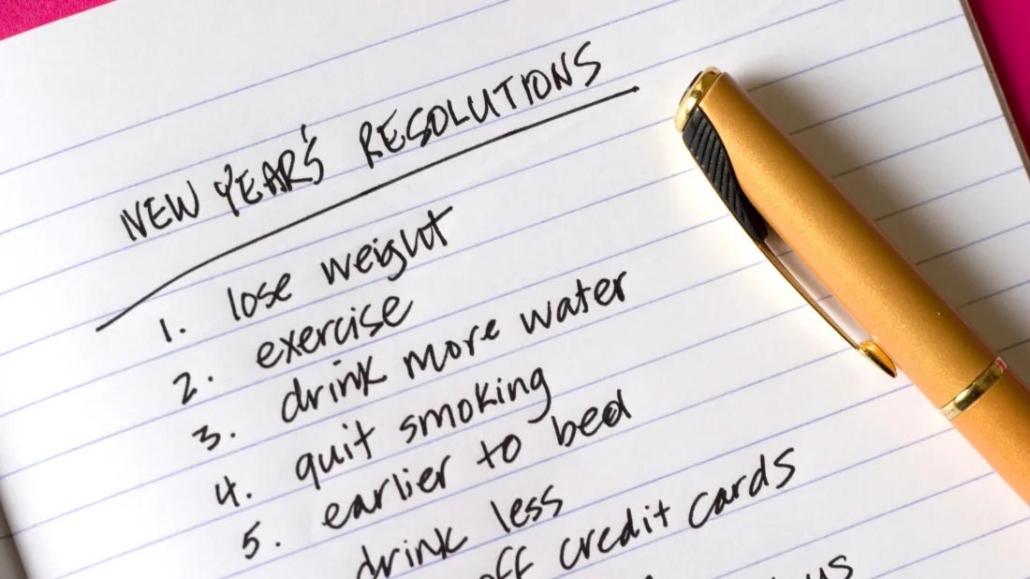
New Year’s Resolutions: 5 Ways for Keeping Your Memory “SHARP”
New Year’s Resolutions are easy to make and even easier to break.
According to Finder.com, approximately 74% of the U.S. population (nearly 189 million adult Americans) have said that for 2021, they’re determined to learn something new, to make a lifestyle change, or even to set a personal goal. However, U.S. News & World Report has determined that the failure rate is about 80% — mostly by mid-February.
I’m determined to buck this trend. Here’s how.
In an online article titled “Memory fades as we age. But it doesn’t have to”, Dr. Sanjay Gupta, CNN Chief Medical Correspondent, says that you can “age-proof your brain by keeping your heart healthy”. In short, healthy heart, healthy brain.
With that in mind, he discusses the SHARP dietary protocol for a healthier, happier lifestyle, especially if you’re a senior (he just turned 51, by the way). I’ll list the five definitions within this acronym and explain how they apply to my resolutions.
S = Slash Sugar.
About 35 years ago, I read a book called Sugar Blues. It calculated that the average American consumed 100 lbs. of sugar every year. As a prime ingredient in most foods — soup, pasta sauce, soft drinks, coffee, and especially breakfast cereals — it’s as addictive as nicotine. That scared the crap out of me.
Ever since then, I have never added sugar to any foods, even tart lemonades, and the only sweets I eat are a handful of Junior Mints, a Trader Joe’s Bon Bon, or a small cup of ice cream almost nightly.
Okay, I’m not perfect, but I’m making a concerted effort this January. That includes my ongoing annual resolution of regularly exercising with 5-6 days a week of walking, hiking, swimming, golfing, and stationary biking that have helped me keep my weight low, despite my dietary imperfections.
H = Hydrate.
Water is the best hydration on planet Earth. Sure, there are all kinds of bottled water, water-based drinks like coconut water, Smart Water, Sparkling Water, and energy drinks like Gatorade with electrolytes, but plain water is far more effective and far less costly.
Add water to your own resolutions. I typically gulp down five to six eight-ounce glasses a day and more when it’s warmer.
A = Add More Omega-3 Fatty Acids
Foods rich in Omega-3s are cold-water fish like salmon, mackerel, tuna, herring, and sardines; nuts and seeds; and plant oils (flaxseed oil, soybean oil, and canola oil).
We eat lots of fish in our home — from lox and sockeye salmon to grilled ahi and tuna sandwiches. We also snack on almonds, also rich in Omega-3.
In fact, you’d be nuts not to eat more Omega-3 fatty acids because they can lower blood pressure, reduce your triglycerides, slow the development of plaque in your arteries, while also reducing the likelihood of heart attacks, strokes, abnormal heart rhythm, and sudden cardiac death if you have heart disease.
R = Reduce Portions.
All diets boil down to portion control. After all, if you’re able to reduce the size of your portions, you’re automatically reducing the size of your calorie count.
Portion control is a family affair. My wife is mindful of that when she cooks our meals — especially dinner when I can’t take a hike shortly afterwards to burn off the calories.
Reducing portion sizes has worked for me to keep my waistline trim and my weight in the 145- to 150-lb. range for many years for my 68-inch height.
P = Plan Ahead.
As a scuba diver, we’re taught to plan our dive and dive our plan. This means close cooperation with the boat operator, divemaster and my dive buddy.
Life needs a plan, too. So plan your daily activities to keep your body and especially your mind active. Make sleep a priority. Plan how long you’re going to sleep and try to keep a regular schedule for it.
Plan some reading into your day. Plan when and what you’re going to eat. Plan and measure your exercise. Learn a foreign language. Play bridge or chess. Remember: healthy body = healthy mind.
As we age, our mental wellbeing is more important than ever. Dr. Gupta says that your brain can “stay cognitively intact into your old age” if you follow a plan of regular exercise including socially distanced hikes with friends. He especially likes this activity because it allows you to keep your brain active, stay connected to your friends and address your mental health by talking about your problems with someone you trust.
* * *
SGD is a San Francisco Bay Area advertising, marketing and branding agency specializing in the senior and boomer markets. We’ve successfully positioned, branded and rebranded senior-oriented companies, weaving traditional and online tactics to create compelling stories that drive response.
About the Author: Gil Zeimer is a Partner at SGD Advertising.